Karen Goehring Licensed Marriage & Family Therapist
Trauma-focused therapy · Bay Area

Move forward.
Feel like yourself again.

I'm Karen, a therapist and former paramedic. I help first responders, their families and anyone carrying trauma find practical tools that actually work, and a steadier footing.

Castro Valley & San Jose Adults & seniors · Older teens in client families Individual & couples
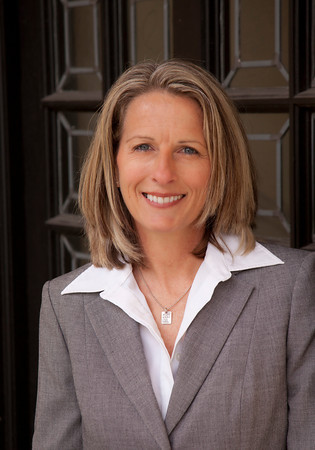
Karen Goehring, therapist

Avoidance is the enemy of recovery.

From the work of Edna Foa

Is it time to talk?

Life can knock anyone off balance.

Maybe something from years ago keeps resurfacing, or something recent has thrown you off course. If you're having a hard time coping, that's reason enough to call. Many people start feeling better within a few weeks.

What happened

  • Trauma, past or present
  • Grief & loss
  • Abandonment
  • Infidelity
  • Divorce
  • Hard life transitions

How it feels

  • Anxiety & fear
  • Depression
  • Feeling overwhelmed
  • Anger & resentment
  • Low self-esteem
  • Suicidal thoughts

What you're working through

  • Relationship strain
  • Premarital & marriage counseling
  • Caring for a family member
  • Stress at work or home
  • Money worries
  • Forgiveness
  • Spirituality

Asking for help is the hardest step, and you've already started. You deserve to live fully, not just get by.

Specialties

Focused on trauma, and the people who see it the most.

Trauma, relationships and grief are the heart of my work. I also help with many of the other things life throws at us.

01

PTSD & trauma

Post-traumatic stress is an injury, not a weakness. It comes from seeing and living through things most people never have to.

  • Nightmares, flashbacks, trouble sleeping
  • Feeling numb, on edge or easily startled
  • Pulling away from people you love
What PTSD can look like
02

First responders & their families

Police, firefighters, EMTs, paramedics, ER staff and veterans. And the partners who live with the job too.

  • Burnout, guilt and identity after the uniform
  • Drinking or other ways of coping that stopped working
  • The strain the job puts on a relationship
For first responders
03

EMDR therapy

A well-researched approach that helps the brain reprocess painful memories so they lose their grip on the present.

  • Built for trauma and distressing memories
  • No need to relive every detail out loud
  • Lasting change, often faster than talk alone
How EMDR works
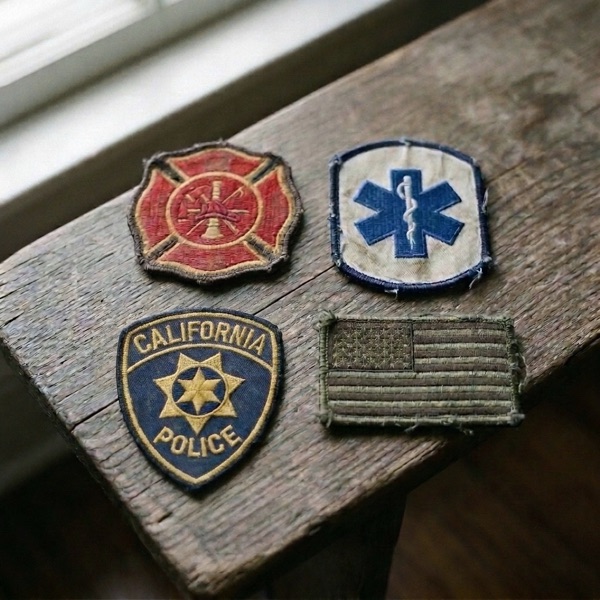
Worn embroidered fire, EMS, police and subdued American flag patches on a wooden bench in morning light
For first responders

You carry other people's worst days. Who carries yours?

I worked as a paramedic in Los Angeles and Alameda counties before becoming a therapist, so I understand the calls, the culture and the pressure to keep it all inside. You won't have to explain the job to me.

  • Police & peace officers
  • Firefighters
  • EMTs & paramedics
  • ER staff
  • Military veterans

You don't have to keep living on high alert. There is a better way, and all it takes is showing up willing to try.

Leading a department? See support for agencies →

What the job puts in front of you

  • Pediatric and infant fatalities
  • Line-of-duty deaths
  • Sudden or preventable death
  • Shootings and homicide
  • Suicide and intentional self-harm
  • Domestic and gang violence
  • Physical, sexual and emotional abuse
  • Overdoses and addiction
  • Homelessness and extreme poverty

What it can leave behind

  • Emotional numbness
  • Anger and irritability
  • Hypervigilance
  • Nightmares, flashbacks
  • Isolation
  • Anxiety, depression
  • Guilt
  • Burnout
  • Memory problems
  • Alcohol or substance use
  • Headaches, stomach issues
  • Feeling like a different person

Families feel it too.

Spouses and partners can learn how to support someone in a demanding job, and how to take care of themselves along the way. Individual and couples sessions are available.

Talk with Karen
EMDR

The memory remains.
The power it holds changes.

Eye Movement Desensitization and Reprocessing (EMDR) helps turn painful experiences into ones your mind can file away, so old images, beliefs and feelings stop running the show.

Notice

Together we identify a memory that still feels stuck, along with the beliefs and body sensations attached to it.

Reprocess

While you briefly hold the memory in mind, gentle back-and-forth stimulation (eye movements or tapping) helps your brain process it.

Integrate

The memory doesn't disappear, but it becomes less vivid and less disturbing. What's left is something you've learned from, not something that controls you.

Curious whether EMDR is right for you? Let's talk it through.

Talk with Karen
A calm, sunlit therapy room with two armchairs
About Karen

Practical tools, a warm room, and a good sense of humor.

My office is a casual, safe place where you can let your guard down. You're the expert on your own life. My job is to help you see what's keeping you stuck and build on the strengths you already have.

Together we look at where your beliefs and patterns come from, whether that's childhood, relationships or work. I draw on several therapeutic approaches and fit them to you, not the other way around. We set realistic goals, work as a team and find coping strategies that genuinely resonate, so you feel better now and have tools that last long after therapy ends.

Therapy asks for an open mind and a willingness to look at the parts of you that feel frozen or shut down. I'll make it a safe place to do that.

Experience
In practice since 2006
Education
MA, John F. Kennedy University
License
California LMFT #50324
I work with
Adults & seniors, plus older teens in families I already work with
Sessions
Individual & couples
Background
Former paramedic

Approaches I draw on

  • EMDR
  • Cognitive behavioral (CBT)
  • Mindfulness-based (MBCT)
  • Compassion-focused
  • Family systems
  • Narrative
  • Solution-focused brief
  • Motivational interviewing
  • Person-centered
  • Strength-based
For agencies

When a call goes bad, your crew isn't alone.

I work with law enforcement, fire and EMS agencies as a mental health and Critical Incident Stress Management (CISM) consultant, and I lead critical incident debriefings for crews after hard calls.

01

Critical incident debriefings

Structured group sessions after a difficult incident, so crews can process what happened together and know what reactions to expect.

02

CISM consultation

Guidance for supervisors and peer support teams on responding to critical incidents and supporting personnel over time.

03

Ongoing care

Confidential individual and couples therapy, including EMDR, for personnel and their families who need more than a debriefing.

ClinicianCritical Incident TeamTrauma intervention, education and aftercare for first responders
Volunteer clinicianWest Coast Post-Trauma RetreatA residential program for first responders with post-traumatic stress injuries
Ask about agency support
Getting started

Your first step is a conversation.

New to therapy or thinking about switching therapists? Start by getting in touch. There's no pressure either way.

Step 1

Get in touch

Call or email. Tell me as much or as little as you like.

Step 2

Find a time

I'll get back to you within two business days, answer any questions and find a time that works.

Step 3

Your first session

At the office that suits you, we talk about what's going on and what you hope will change, and you ask me anything.

Fees & insurance

Clear costs, no surprises.

A sliding scale is available for those who qualify. If cost is a worry, bring it up when we talk and we'll find something that works.

Insurance & EAPsClaremont EAP · ComPsych · Concern · Uprise Health
Sliding scaleAvailableFor those who qualify
Sessions
Individual
$225
Couples
$250
PaymentCash, check or Zelle

Good Faith Estimate. Under the No Surprises Act, if you aren't using insurance you have the right to a Good Faith Estimate of what your care will cost. Ask me for one before your first session. To learn more, visit cms.gov/nosurprises.

Questions

Good to know.

Don't see your question? Ask me directly.

What are the signs of PTSD?

PTSD can follow a single overwhelming event or years of repeated exposure. Common signs include trouble sleeping, nightmares or flashbacks, avoiding reminders, feeling numb or detached, losing interest in things you enjoyed, being easily startled or always on guard, strong reactions to reminders, trouble concentrating, and physical symptoms like headaches, dizziness or a racing pulse. Many people also carry heavy guilt, including survivor's guilt.

If this sounds like you or someone you love, help is out there, and it works.

Do I have to be a first responder to work with you?

Not at all. First responders and their families are a special focus, but I work with adults and seniors facing anxiety, depression, grief, relationship strain and many other life challenges.

Do you see couples?

Yes. I offer individual and couples sessions. Working together can be especially helpful when one person's job or trauma is affecting the relationship.

Do you see children or teens?

I don't offer counseling for children. I sometimes see older teens when a parent or close family member is already my client. If that's your family, ask me and we'll talk about whether it's a good fit.

Do you offer video sessions?

Sessions are in person, at my Castro Valley and San Jose offices.

When are you available?

I see clients on weekdays during the day. When you get in touch, tell me which office and which days work best for you, and I'll find a time.

What is an EMDR session like?

You stay awake, in control and able to stop at any time. After preparing together, you briefly bring a memory to mind while following side-to-side eye movements or tapping. You don't have to describe every detail out loud. Over sessions, the memory loses its emotional charge.

Do you take insurance?

I work with Claremont EAP, ComPsych, Concern and Uprise Health. If your plan isn't listed, ask me about out-of-network options, or a sliding-scale fee. Sessions are $225 for individuals and $250 for couples. See fees.

How soon will I feel better?

Everyone is different, but many people notice a difference within the first few weeks. We'll set clear, realistic goals together so you can see your progress.

Offices

Two places to meet.

Choose whichever office is easier for you. Here's how to find and park at each one.

The yellow Victorian office building in Castro Valley with a white porch and balconyLook for the yellow Victorian
East Bay
Castro Valley
1700 Norbridge Ave., Suite F
Castro Valley, CA 94546

Look for the yellow Victorian house behind McDonald's, just off Castro Valley Boulevard. The driveway is on Norbridge Avenue. Pull into the driveway to park.

The building needs an access code. I'll share it when you book.

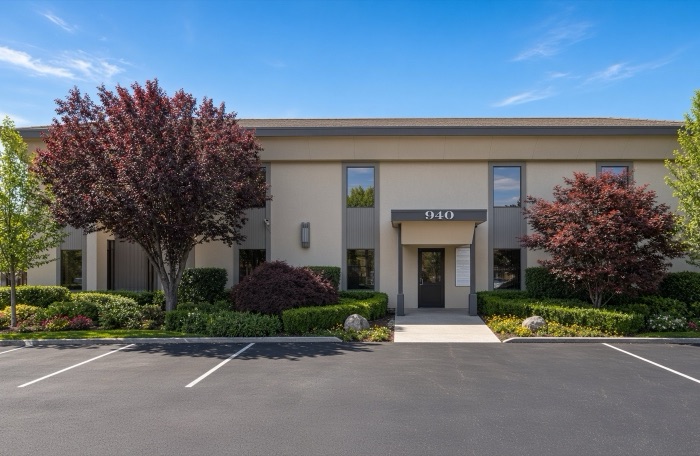
The two-story office building at 940 Saratoga Avenue in San Jose with its front parking lot940 is over the front door
South Bay
San Jose
940 Saratoga Ave., Suite 110
San Jose, CA 95129

Street parking is usually available out front, and there's a large lot behind the building. Heading north on Saratoga Ave., turn into the driveway just past Wendy's.

Resources

Help between sessions.

Support and trusted information, any time you need it.

If you're in crisis right now Call or text 988

The Suicide & Crisis Lifeline is free, confidential and open 24/7. Veterans and service members can press 1. In an emergency, call 911.

Ready when you are

You don't have to carry this on your own.

One conversation is all it takes to find out whether we're a good fit.

Talk with Karen
Get started

Let's talk about where you are, and where you want to be.

Call or email, and I'll get back to you within two business days to set up a time. Leave a message anytime.

Please keep it brief and leave out personal health details. We'll talk about the rest privately.

Thank you for your message.

I'll be in touch within two business days to find a time to talk.

Call Talk with Karen